Wednesday, December 29, 2010

The Truth About Your Weight Gain


Buzz up!613 votes
Two out of three people in America today are either overweight or obese. That means every time you sit down in an airplane or a packed movie theater, more likely than not you’re going to wind up as the lean center of a fat sandwich. But as you look right and left and see nothing but heft, you can’t help but think, What happened?

How did we all get so darn fat?

Well, the simple answer is that we eat more calories. The Centers for Disease Control and Prevention found that American men eat 7 percent more calories than they did in 1971; American women eat a whopping 18 percent more—an additional 335 calories a day! But the harder question is this: Why do we eat so many more calories? Are we suddenly more gluttonous? Do we have some kind of collective death wish? Is the entire country hellbent on qualifying for the next season of Biggest Loser?

No. There’s an even crazier reason: It’s the food!

We’ve added extra calories to traditional foods, often in cheap, mass-produced vehicles like high fructose corn syrup. These new freak foods are designed not by chefs, but by lab technicians packing every morsel with maximum calories at minimum cost—with little or no regard to dietary impact. Indeed, Eat This, Not That! 2011 has uncovered the truth about some of your favorite fast food and grocery store items and how they're causing you to pack on unnecessary pounds. It’s enough to kill your appetite, which—in these cases, anyway—would be a good thing.
Bonus Tip: Don't miss our year-end walk down The Restaurant Hall of Shame: The 20 Worst Foods of 2010!

Burger Patties THE FAST-FOOD HAMBURGER
The great American staple. Don’t worry, burgers really do come from cows—but have you ever wondered how those giant chains process and distribute so much meat so cheaply? And . . . are you sure you want to know?

The Truth: Most fast-food hamburger patties begin their voyage to your buns in the hands of a company called Beef Products. The company specializes in taking slaughterhouse trimmings—heads and hooves and the like—that are traditionally used only in pet food and cooking oil, and turning them into patties. The challenge is getting this byproduct meat clean enough for human consumption, as both E. coli and salmonella like to concentrate themselves in the fatty deposits.

The company has developed a process for killing beef-based pathogens by forcing the ground meat through pipes and exposing it to ammonia gas—the same chemical you might use to clean your bathroom. Not only has the USDA approved the process, but it's also allowed those who sell the beef to keep it hidden from their customers. At Beef Products’ behest, ammonia gas has been deemed a “processing agent” that need not be identified on nutrition labels. Never mind that if ammonia gets on your skin, it can cause severe burning, and if it gets in your eyes, it can blind you. Add to the gross-out factor the fact that after moving through this lengthy industrial process, a single beef patty can consist of cobbled-together pieces from different cows from all over the world—a practice that only increases the odds of contamination.

Eat This Instead: Losing weight starts in your own kitchen, by using the same ingredients real chefs have relied on since the dawn of the spatula. (Here are the 15 best dishes for quick and easy weight loss.) If you’re set on the challenge of eating fresh, single-source hamburger, pick out a nice hunk of sirloin from the meat case and have your butcher grind it up fresh. Hold the ammonia.
Bac-O BitsBETTY CROCKER'S BAC-O BITS
We’ve all been there before: A big bowl of lettuce or a steamy baked potato is set before us and the sudden desire for a bit of smoky, porky goodness pervades. We try to resist, but we grab for the bottle anyway: Mmmmm . . . bacon.

The Truth: Not quite. If it’s Bac-Os you grab for, just know that there’s not the slightest whiff of anything pork-like to be found in the bottle. So what are those little chips you’ve been shaking over your salads? Well, mostly soybeans. The bulk of each Bac-O is formed by tiny clumps of soy flour bound with trans-fatty, partially hydrogenated soybean oil and laced with artificial coloring, salt, and sugar. The result is a product that’s actually less healthy for your heart than the real thing!

Eat This Instead:  Hormel makes a product called Real Bacon Bits, and as the name implies, it’s made with real bacon. And gram-for-gram, the real bacon actually has fewer calories than Betty Crocker’s Bac-Os. If Hormel can make a nutritionally superior product using real bacon, then why would you ever choose the artificial one that’s loaded with partially hydrogenated soybean oil?

Premade GuacamolePREMADE GUACAMOLE
When you buy bean dip, you expect it to be made from beans. And when you buy guacamole, it seems reasonable to expect it to be made from avocados. But is it?

The Truth: Most guacamoles with the word “dip” attached to the label suffer from a lack of real avocado. Take Dean’s Guacamole, for example. This guacamole dip is composed of less than 2 percent avocado; the rest of the green goo is a cluster of fillers and chemicals, including modified food starch, soybean oils, locust bean gum, and food coloring. Dean’s is not alone in this offense. In fact, this avocado caper was brought to light when a California woman filed a lawsuit against Kraft after she noticed “it just didn’t taste avocadoey.”

Eat This Instead: Avocados are loaded with fiber and heart-healthy monounsaturated fats. Trading the good stuff in for a bunch of fillers is cheating both your belly and your tastebuds. Either look for the real stuff (Wholly Guacamole makes a great guac), or mash up a bowl yourself. Scoop out the flesh of two avocados, combine with two cloves of minced garlic, a bit of minced onion, the juice of one lemon, chopped cilantro, one medium chopped tomato, and a pinch of salt.
Bonus Tip: Unlike packaged-food manufacturers, fast-food and sit-down restaurants don't typically rely on chemicals to enhance flavor. Instead, they pack in sugar and sodium, calorie counts be damned. Beware of The 10 Worst Fast Food Meals in America!
 
YogurtFRUIT ON THE BOTTOM YOGURT
It seems like the ideal breakfast or snack for a man or woman on the go—a perfect combination of yogurt and antioxidant-packed fruits, pulled together in one convenient little cup. But are these low-calorie dairy aisle staples really so good for you?

The Truth: While the yogurt itself offers stomach-soothing live cultures and a decent serving of protein, the sugar content of these seemingly healthy products is sky-high. The fruit itself is swimming in thick syrup—so much of it, in fact, that high-fructose corn syrup (and other such sweeteners) often shows up on the ingredients list well before the fruit itself. And these low-quality refined carbohydrates are the last thing you want for breakfast—Australian researchers found that people whose diets were high in carbohydrates had lower metabolisms than those who ate proportionally more protein. Not to mention, spikes in your blood sugar can wreck your short-term memory, according to a study in the European Journal of Clinical Nutrition. Not what you need just before your urgent 9 a.m. meeting with the boss!

Eat This Instead: Plain Greek-style yogurt, mixed with real blueberries. We like Oikos and Fage brands—they’re jacked with about 15 to 22 grams of belly-filling protein, so they’ll help you feel satisfied for longer. And blueberries are another great morning add—scientists in New Zealand found that when they fed blueberries to mice, the rodents ate 9 percent less at their next meal.

Bonus Tip: Daily e-mails (or tweets) that contain weight-loss advice remind you of your goals and help you drop pounds, according to Canadian researchers. We're partial to our own Eat This, Not That! newsletter, and to the instant weight-loss secrets you'll get when you follow me on Twitter (twitter.com/davezinczenko).

Turkey BaconTURKEY BACON
Pork bacon’s got a bad rap for wreaking havoc on your cholesterol. But is turkey bacon really any better?

The Truth: Stick with the pig. As far as calories go, the difference between “healthy” turkey bacon and “fatty” pig is negligible—and depending on the slice, turkey might sometimes tip the scales a touch more. Additionally, while turkey is indeed a leaner meat, turkey bacon isn’t made from 100 percent bird: One look at the ingredients list will show a long line of suspicious additives and extras that can’t possibly add anything of nutritional value. And finally, the sodium content of the turkey bacon is actually higher than what you’ll find in the kind that oinks—so if you’re worried about your blood pressure, opting for the original version is usually the smarter move.

Eat This Instead: Regular bacon. We like Hormel Black Label and Oscar Mayer Center Cut bacon for some low-cal, low-additive options.

Low-fat Peanut ButterREDUCED-FAT PEANUT BUTTER
Nothing makes a PB&J feel less indulgent like a scoop of low-fat Jif. It’s low fat, so it must be better for you . . . right?

The Truth: A tub of reduced-fat peanut butter indeed comes with a fraction less fat than the full-fat variety—they’re not lying about that. But what the food companies don’t tell you is that peanut oil—the fat in peanut butter—is a heart-healthy monounsaturated fat that can actually help fight weight gain, heart disease and diabetes! Instead, they’ve tried to cash in on the “low-fat” craze by replacing that healthy fat with maltodextrin, a carbohydrate used as a filler in many processed foods. This means you’re trading the healthy fat from peanuts for empty carbs, double the sugar, and a savings of a meager 10 calories.

Eat This Instead: The real stuff: no oils, fillers, or added sugars. Just peanuts and salt. Smucker’s Natural fits the bill, as do many other peanut butters out there. We especially like Peanut Butter & Co. Original Smooth Operator and Original Crunch Time.
Bonus Tip: The average American drinks 450 calories a day—a quarter of the calories you're supposed to consume during an entire day! Beware of The 20 Worst Drinks in America, 2010 Edition.
------------
EAT RIGHT RULE: If your food can go bad, it's good for you. If it can't go bad, it's bad for you. FOLLOW DAVE ZINCZENKO RIGHT HERE ON TWITTER and get FREE health, nutrition and weight-loss secrets like this one every day! You'll lose weight and get healthy faster than ever!
Check out these cutting-edge guides to fast and easy weight loss, the brand-new Men’s Health Big Book of Exercises and Women’s Health Big Book of Exercises.
Get more nutrition, health, and fitness secrets from Men's Health: Subscribe today with this special offer and save 50% off the cover price.
Cook This, Not That! Get the New Book!
   
For Kids! Supermarket Guide

Sunday, October 31, 2010

How 50 Percent Discounts Really Work

by Kelli B. Grant
Thursday, October 28, 2010

Looking for a good deal? How's 50% off sound? Once a bargain-basement super-deal, getting half-off is now about what shoppers can -- and should -- expect from a sale, experts say. And in preparation for the holiday rush, stores have figured out how to give it to them and still turn a profit.

Markdowns have already approached that level in toys and electronics, which account for much of holiday spending, says Alison Paul, leader of the retail practice for Deloitte Apparel. Household goods and small appliances are also likely to hit that magic mark by Black Friday. "If the price is already 50% off, take it and take it now," says Jeff Green, who runs a retail consulting firm.

Although half-off may seem like a boon to consumers, retailers are still profiting, says Adrienne Tennant, a retail analyst at investment bank Janney Montgomery Scott. These deep and temporary markdowns are essentially loss-leaders, designed to lure shoppers into buying more items in one visit -- or to generate more visits from shoppers wise to the strategy of rotating discounts. "[Consumers] have traditionally been quite motivated by sales because we understand that means 'here today and gone tomorrow,'" says Kit Yarrow, a professor of psychology and marketing at Golden Gate University in San Francisco. But in the store, a deal for the shopper becomes an opportunity for the retailer to up-sell.

One thing stores can't do to make their deals look good: inflate prices. It's illegal for stores selling other companies' products (such as Sears (Nasdaq: SHLD - News) or Best Buy (NYSE: BBY - News) to set prices above those of the manufacturer, says Gloria Barczak, a professor of marketing at Northeastern University in Boston. Single-brand stores like Gap (NYSE: GPS - News) or Ann Taylor (NYSE: ANN - News) can pull a price switch but rarely do -- and experts say it's ineffective. Loyal shoppers are quick to spot price or quality changes and won't buy or will look elsewhere, Barczak says.

There are three big ways retailers are able to give you that 50% off -- and maintain their profit margins. But savvy shoppers can separate the real values from the deals designed to get you to mindlessly hand over your credit card.

Sales-Cycle Lows

Stores rotate which categories and brands go on sale each week, and the depth of the discount changes over the course of a month, too. To figure out when your favorite store offers its best deals, sign up for its email list. Then scan them over the next 30 days -- you'll quickly get a sense of the highs and lows, and how often the best discounts crop up. Borders (NYSE: BGP - News), for example, usually offers weekly deals for 33% off the regular price of one item of your choice, but hands out a 40% off coupon at least once a month. Figure out when and time your purchase to that week.

Limited-Time Deals

Keeping sales limited to a tight window is another easy way for stores to offer the big discounts shoppers want, or to create a shopping frenzy, a la Black Friday, says Barczak. At the regular Saturday "one-day sales" at Macy's (NYSE: M - News), there are deeper discounts until 11 a.m., then lesser deals that continue until closing. The 40%-off sales at Gap have also been limited to single days this fall. That creates a powerful psychological incentive, says Yarrow. "That fear of missing out is giant in the minds of consumers." In return, the store gets a rush of customers who are likely to put full-priced items in their baskets, too.

Shipping Charges

Even a big online discount can be offset if you pay the full price for shipping charges. Lee Jeans recently offered 50% off all online jeans orders, but someone buying one pair on sale for $21 would still pay $5.95 for shipping, which in effect reduced the discount to 36%. Some merchants will offer a big discount and free shipping together this holiday season, but not with regularity until the Monday after Thanksgiving, when people do more holiday shopping online.

Sunday, October 24, 2010

The facts about removing odor from the fridge

By Brian Clark Howard

The nontoxic, natural cleaning powers of baking soda have been known for generations, and many people leave a box of the stuff in their refrigerator to try to fight odors. But many of us aren't using it correctly. There are some things you should know about how baking soda works to get real results and the best value for your money.

Baking soda, which is really 100% sodium bicarbonate, eliminates odors by neutralizing strong acids and stabilizing strong bases – the root causes of most bad odors.

According to Leslie Stein of the Monell Chemical Senses Center in Philadelphia, there aren't any real-world studies that prove the odor-eating effectiveness of baking soda, but there are reams of anecdotal evidence and lessons from the lab.

To get the most out of baking soda, follow these three guidelines.
1. Replace it often

Most of us leave an open box of baking soda in the fridge for months, if not years. But experts recommend changing out a fresh box every one to three months.

Baking soda neutralizes odors by turning them into inert crystalline salts, according to Ray Brown, a research and development scientist with Church & Dwight, the company that makes Arm & Hammer. Over time, the salts build up (that's the crust that develops on the top) and baking soda loses its effectiveness. Brown says the odors work their way through the box, and stirring it up doesn't really help.

After its odor-fighting ability is exhausted, the used baking soda will still have enough power to use for cleaning counters, trash cans, or drains, Brown says, but don't use it for baking or personal care.
2. Open the box in the right location

It's critical that the baking soda powder actually come in contact with the odors. Tear off the box top, and make sure that airflow around the baking soda isn't restricted by a shelf or other items in the refrigerator.

The best bet is to place an open box as close as possible to the refrigerator's fan.

"Baking soda is not like a fragrance, which goes into the air to cover up odors," says Brown. "Baking soda reacts with the bad odors. When the fridge door is closed, air is circulating past the baking soda, and odors are continually removed."
3. Use the right tool for the job

If baking soda isn't working on a tough odor, or if you want to get rid of all odors, including chemically neutral ones like fruity or floral scents, try activated carbon (sometimes called activated charcoal). This material is treated to make it extremely porous, like a sponge for the air, so it can absorb a large amount of odor – but it still must be replaced.

Activated carbon is used in water filters, shoe inserts, cat litter, and fish tanks, and can be purchased at pet stores or ordered online. The downside? It's not as widely available as baking soda, and it costs more (about five times as much, per pound.) So most of the time, you'll be better off sticking with baking soda.

Sunday, September 19, 2010

What Not to Say When Pulled Over by a Cop

In what he calls an "educational video" that's widely circulated on YouTube, comedian Chris Rock offers advice on what to do when you get pulled over for a traffic violation.

"Obey the law" he says. "Stop immediately" and "stay in your car with your hands on the wheel." Finally, "if your woman is mad at you, leave her at home. There's nothing she'd like to see more than you getting your [you-know-what] kicked."

It's a dead-on spoof of a hard truth: Respect authority. If you don't, you increase the odds of a pricey ticket.

"Everything in that video is absolutely true," said Sgt. Matthew Koep of the South Plainfield, N.J., Police Department. "It's funny, but it's accurate."

Citizens who are generally law-abiding are likely to come into contact with the police only under two circumstances: If you're a crime victim or you get pulled over for a traffic violation.

[See the Most Stolen Vehicles in the United States]

Police officers are not out to make your life miserable, but to make sure you're following the rules of the road and not endangering yourself or those around you.

With a few exceptions, and an egregious traffic violation is top among them, cops aren't mandated to write tickets. Most would rather send you on your way with a friendly warning -- that can save you time and money.

But handle the situation with an aggressive or arrogant attitude and you can expect to squeeze an expensive court date into your busy schedule.

Play Nice

First rule: don't argue.

"I get this all the time," said Karen Rittorno, a nine-year veteran with the Chicago Police Department. "'What are you stopping me for? I didn't do nothing.' If they try to take charge of the traffic stop, they're not going to get out of it without a ticket," she said. "We ask the questions, not them."

Accept that the police have caught you doing something that's against the law, such as speeding or gliding through a stop sign.

"All we do is react to what people do when you pull them over," said Dennis Fanning, a homicide detective and veteran officer with the Los Angeles Police Department. "We don't instigate the stuff, but we will react to you. The situation will escalate or de-escalate depending on how that person reacts."

To argue with cops is akin to calling them idiots. Don't do that. "That's implying that I pulled you over for no reason and that bothers me," Koep said.

Keep It Honest

Don't lie, either. Cops are trained to note the human characteristics of lying, including twitching and looking to the left, and they know the right questions to ask to suss out the truth.

Fanning estimates that nine out of 10 people lie to him. "It's an attack on our intelligence," he said.

Moreover, the truth can set you free. Koep recalled an incident when he pulled a young guy over for speeding.

"He looks straight at me and says, 'You know, officer, I wasn't even paying attention. I just had the best date of my life. I just met my future bride. I'm just on cloud nine right now.'

"The guy was completely serious," Koep said. "How are you going to write that guy up after that? Who makes that kind of stuff up?"

Of course, don't use pejoratives when addressing the police, unless you're eager for a ticket. But other words may backfire, too. Rittorno works in a crime-ridden section of Chicago where the majority of people she pulls over for traffic violations don't have licenses or insurance, she said.

"So I get a lot of, 'I'm sorry, baby. I didn't mean it, sweetheart,'" she said. "I hate being called 'baby' or 'sweetheart.' I'm 'officer' to you.''

The police don't like being talked over, either. "Be polite," said Chicago Officer Mike Thomas. "You have your rights as a citizen, too, but it doesn't do you any good to talk while he's talking."

Cops know that people are nervous when they get pulled over, and they expect a certain amount of jumpiness when they approach a car. Rittorno even admitted she's intimidated in the same situation. "I'm the police and I get scared if I get pulled over," she said.

But did you know they're on edge, too? You know who they are, but they don't know whether you're a good guy or a bad guy. "The only thing on his mind when he approaches you is safety," Thomas said. "You know you don't have a gun in your lap, but the officer doesn't know it."

Rittorno, for one, said she assumes everyone has a gun. "I'm always on 10," she said, referring to her high level of vigilance. "I take it down depending on their demeanor or what I see."

[See the Most and Least Expensive Cars to Insure ]

Stay Calm

When those headlights go on, it's best to pull the car to the right, stay in the car, turn the interior lights on if it's dark and put your hands on the steering wheel.

Don't make any quick movements, and don't turn to grab your purse or put your hands in your pocket or under your seat to retrieve your license -- until the officer instructs you to. Then, do it slowly.

Don't move to open the glove box either, until directed. And do that slowly, too. Let the police shine a light inside the box before you reach in. Many criminals hide guns in glove boxes.

"What's going to cause the situation to get worse is for the fear factor to rise in that officer," Koep said. "The officer is more likely to cut you a break as long as you can reduce that fear. …If you're friendly with me, not arguing or denying what happened, that lowers the fear factor and will make me a lot more cooperative with you."

Don't boast about who you know, either. That can infuriate cops. They consider it a veiled threat to their livelihoods. Fortunately, most municipalities have laws in place to insure that an officer is not fired or reprimanded for ticketing, say, the mayor's daughter.

Finally, never try to buy off a cop. "In those instances where they've offered me a bribe," Fanning said. "I loved making those arrests."

Jennifer Waters is a MarketWatch reporter, based in Chicago.

Sunday, September 12, 2010

Like the ’55 Chevy, the 3,000-Mile Oil Change Is Pretty Much History

ALINA TUGEND, On Friday September 10, 2010, 1:25 pm EDT

I STILL remember learning from my father how to carefully remove a dipstick to check the oil level in our cars. It was drilled into me — along with turning off the lights when you left a room and clearing the plates off the table after dinner— that oil needs to be changed every 3,000 miles or so.

I’m not sure what I thought would happen if I didn’t, but I vaguely imagined an unlubricated engine grinding to a halt.

Childhood habits are hard to undo, and that’s often good. To this day, I hate seeing an empty room with the lights on.

But sometimes, we need to throw aside our parents’ good advice. In March, for example, I wrote about how we should relearn the dishwasher and laundry soap habits we inherited from our mothers.

Add frequent oil-changing to that list.

“There was a time when the 3,000 miles was a good guideline,” said Philip Reed, senior consumer advice editor for the car site Edmunds.com. “But it’s no longer true for any car bought in the last seven or eight years.”

Oil chemistry and engine technology have improved to the point that most cars can go several thousand more miles before changing the oil, Mr. Reed said. A better average, he said, would be 7,500 between oil changes, and sometimes up to 10,000 miles or more.

The California Integrated Waste Management Board ran public service announcements for several years about “the 3,000-mile myth,” urging drivers to wait longer between oil changes. Although the information is a few years old, the board has a list of cars on its Web site and how often they need oil changes. The concern is not only the cost to drivers, but the environmental impact of throwing away good oil, said Mark Oldfield, a recycling specialist for the agency.

But the situation is not that clear cut, according to Robert Sutherland, a Pennzoil scientist who works at Shell Global Solutions.

Rather than picking a number, Mr. Sutherland said, he recommends following what your owner’s manual advises. I checked the manual for our 2007 Mazda5 and had to determine if my typical driving included a lot of stop-and-go driving, short distances, extended idling, muddy, rough or dusty roads or really humid or cold temperatures.

Hmm. Yes, to short distance and stop and go. So that meant I should get the oil changed every 5,000 miles. If I did a great deal of longer-distance highway driving, it would be every 7,500.

The different types of driving are usually known as severe and mild (which is also sometimes called normal), Mr. Sutherland said, which seems counterintuitive since most of us probably don’t think we drive in severe conditions. But we do.

The reason, he said, is that if you take a trip of less than 10 miles or so, the engine and the oil are not completely warmed up. And if the oil is still cool, he said, it cannot absorb the contaminants that come from internal combustion as efficiently.

“It’s designed to work best when fully warmed up,” Mr. Sutherland said. “If you’re running to the music lesson, to school, the gym, that’s severe driving conditions.”

Mr. Sutherland said he has a mild commute. “It’s 47 miles, all highway.”

What actually happens if you don’t change your oil? Well, it doesn’t run out, it simply gets dirtier and dirtier. It’s like mopping the floor with a bucket of water and detergent. The water starts out clean, but the more you use it, the filthier it gets. Eventually, you’re making the floor dirtier if you don’t change the water.

Some people remain attached to the 3,000-mile oil change and have a hard time trusting the recommendations in the owner’s manual. If you’re one of those skeptics, you can send your engine oil out to be analyzed. Blackstone Laboratories in Fort Wayne, Ind., one of the best-known places for engine oil analysis, will send you a free kit.

You send back an oil sample and for $25, they’ll tell you all sorts of things about your car.

“We would compare what your oil looks like compared to the average Mazda5 of that year,” said Kristen Huff, a vice president at Blackstone. If there is a lot more lead in my oil than in a typical Mazda5, for example, it means I have a bearing problem, she said.

Her lab runs about 150 samples a day and a fair percentage of those are consumers looking to find out how often they need to change their oil, Ms. Huff said.

“Very often, it is the case that they’re changing their oil too often,” she said. “They do what their dad did with his ’55 Chevy.”

Another way to get a more accurate assessment of your oil needs is to buy a car that has a maintenance minder, like a Honda. A light on the dashboard alerts the driver when the system judges that the oil has only 15 percent of its useful life remaining. The time between oil changes varies depending on the driver and driving conditions.

Honda has used such maintenance minders on most models for at least the last five years, said Chris Martin, a Honda spokesman. Previously, the owner’s manual suggested changes every 10,000 miles in mild conditions and 5,000 miles in severe conditions.

Still, some people stick to the 3,000-mile changes, because “the Jiffy Lubes of the world have done a good job convincing people,” Mr. Martin said

It’s not just the fast oil change outlets. My sticker from my trusted mechanic states that I’ll need a change in 3,000 miles or three months. But Jiffy Lube, the largest quick oil change company in North America, is now under pressure to change its automatic 3,000-mile recommendation.

For about a year, the company has run a pilot program with some franchises across the country suggesting that instead of a blanket recommendation, mechanics tell customers what the manufacturer recommends under mild or severe driving conditions.

“By this time next year, every Jiffy Lube will do it,” said Rick Altizer, president of Jiffy Lube International. And the little sticker on your windshield will no longer simply state when the next oil change should occur, but, “I choose to change my oil” at a specific mileage.

“It’s so it’s not some arbitrary technician saying this,” Mr. Altizer said, but the consumer’s decision.

Mr. Reed of Edmunds.com said car owners often got conflicting messages because of an inherent tension: “The car manufacturers want the reputation that it makes cars that last a long time. The dealership wants to see you every three months.”

But he acknowledged that “3,000 miles strikes a deep chord with the consumer,” adding: “It feels good to get an oil change. If you fill up the car with gas, wash it and change the oil, it runs better. Of course, it doesn’t. But it’s the perception.”

Although Mr. Reed is doubtful that most drivers fall into the severe driving category and fears mechanics will use that to push drivers into paying for more oil changes than necessary, Mr. Sutherland said he wouldn’t want “to second-guess the manufacturer.” Vehicles, he said, “are a substantial investment and changing fluids is how you protect that investment.”

So before you go in for your oil change, dig out your owner’s manual and see what it says. And when the mechanic slaps on a sticker that gives the next change date in 3,000 miles, ask questions. And then, go get the car washed. That’s one thing that always seems to be needed.

Tuesday, August 31, 2010

A 15-Year Mortgage Isn't for Everyone

By Amy Hoak
Monday, August 30, 2010

More homeowners turn to shorter loan terms

A growing number of homeowners are choosing to pay down their mortgages at a faster rate -- even if it means a substantial jump in their monthly payments.

From January through June, 26% of homeowners who refinanced chose a 15-year fixed-rate mortgage, according to data from CoreLogic, a provider of financial, property and consumer information. During all of 2009, 18.5% of borrowers who refinanced opted for a 15-year term. About 9.4% did so in 2007.

What's prompting the shift to shorter loans? Historically low interest rates for fixed-rate mortgages.

Homeowners are doing the math and realizing that rates have fallen enough so the increase in payment between a new 15-year mortgage and their current loan is no longer unbearable for their budgets, said Bob Walters, chief economist at online lender Quicken Loans.

The average rate on a 15-year fixed-rate mortgage was 3.86% for the week ending Aug. 26, according to Freddie Mac's weekly survey of conforming mortgage rates.

A Change in Thinking

The financial situation of the people capable of refinancing today is a factor in the shift, Walters said. These people typically are homeowners with the best credit and the most equity -- and, therefore, most suited for a shorter-term loan.

But there might be some psychology at work. "We're seeing a different view on debt than maybe we've seen in the past," he said. Today, homeowners are saying, "I really want to pay this off. I'm going to bite the bullet and take the payment and work toward paying this down."

Also, the average rate on a 15-year fixed-rate mortgage is below 4% right now, and having a mortgage rate that starts with a "3" is attractive for people who can afford it, said Leif Thomsen, chief executive of Mortgage Master, a privately owned lender.

It also acts as somewhat of a forced savings account for homeowners, he said, given that the higher payments help pay down the principal at a quicker clip.

This is a huge shift in borrower thinking. "There was a drive a couple of years ago to take out the biggest mortgage that you could and use all of the money you would have otherwise had in the house and put it into stocks and bonds -- to think of your house and mortgage as part of your entire investment portfolio," said Amy Crews Cutts, deputy chief economist for Freddie Mac.

"That worked for people who do investment finance for a living and are good at managing accounts," she said. "But for the average person, debt is a drag on their psyche as well as their overall budget."

Many Americans have reverted to the goal of paying off their house and getting rid of their mortgage, Cutts said.

Doing the Math

Refinancing into a shorter-term mortgage isn't a strategy for everyone, however.

Choosing a shorter term usually means you'll get a better rate -- and you'll pay much less interest over the life of the loan -- but a shorter timeframe ramps up monthly mortgage payments.

[See How to Overcome Refinancing Hurdles]

For example, with a 4.5% interest rate on a 30-year fixed-rate mortgage of $200,000, you would have a monthly payment of $1,015, including principal and interest, Cutts said. The monthly payment jumps to about $1,480 with a 4% interest rate on a 15-year fixed-rate loan.

Of course, if the refinancing borrower's current 30-year loan has a higher rate, the difference between the monthly payments could be less. Still, you should count on some increase in monthly payments.

In general, Walters said, those who choose 15-year fixed-rate mortgages are older and have more equity and less debt than other folks. They also earn higher incomes and don't have some of the added expenses that younger homeowners typically do.

"People who are taking these loans are financially stable and can afford the payments, but at the same time are planning on staying in their home for an extended period of time," Thomsen said.

Walters said homeowners shouldn't take on a 15-year fixed-rate mortgage unless they have substantial savings, including at least a year's worth of living expenses in liquid accounts.

Also, he recommends having a debt-to-income ratio below 35%. So if you have a gross salary of $5,700 per month, for instance, your monthly debt -- including any mortgage payments, taxes, insurance, homeowners-association dues as well as auto and student loans and credit-card debt -- would have to be a max of $1,995 to get a 35% ratio.

Make That Extra Payment

Borrowers who don't meet those standards, or are worried about future loss of income, might be better served taking a longer-term mortgage but making extra payments to the principal to pay off the loan faster, Walters said.

For instance, if you refinance a $200,000 mortgage into a 30-year loan with a 4.5% rate, and then apply $100 of the savings to the principal payment each month, you'd save $31,700 in interest over the life of the loan, Cutts said. And you would pay off the mortgage in 25 years, instead of 30, she said.

What's more, you would have the flexibility of not paying that $100 in months when money gets tight. "Maybe today you're feeling flush with money. Maybe you're worried in the future that income might change," Cutts said. With a 30-year mortgage, you have more flexibility. "Shortening to 15 years is a pretty big bump in payment."

Amy Hoak is a MarketWatch reporter based in Chicago.

Sunday, August 29, 2010

Avoid These 5 Used Cars (Plus 5 to Buy)

by Jerry Edgerton


Saturday, August 28, 2010
provided by


Used car shopping used to be a scary maze of breakdown-prone models, but reliability has gained sharply. Auto manufacturing quality and dependability studies have shown steady gains this decade. But exceptions do exist and if you're in the market for a used car, you want to steer clear of them.


More from CBS MoneyWatch.com:

• 6 Big Myths about Gas Mileage

• Made in USA: Best American Cars

• 5 More Reasons to Hate BP


So CBS MoneyWatch.com has compiled a list of used cars to avoid in five categories, focusing on 2007 models-the year from the latest J.D. Power and Associates dependability study. Buying a three-year-old car also lets you shop after the bulk of depreciation has taken place.

To make our list of used-car rejects, a model had to score the minimum two out of five in the J.D. Power "circle ratings" for dependability–a below-average ranking. It also had to be ranked below average as a used car by Consumer Reports in its annual April car issue and online car rankings.

Here are our used cars to avoid, by category, plus better used car alternatives:

Small Used Car to Avoid: Volkswagen New Beetle

Sure, it's adorable, but the 2007 New Beetle is also trouble-prone. Owners who responded to the Consumer Reports reliability survey reported problems with the fuel and electrical systems, the suspension, brakes, power windows, and other power equipment. The convertible model sells on dealers' lots for $17,055, according to Kelley Blue Book at kbb.com.

Small Used Car Alternative: Ford Focus

It may not be as stylish as the Beetle, but it's a lot more reliable. In fact, the Focus got the J.D. Power award as most reliable compact car. Owners of the 2007 Focus who responded to Consumer Reports reported no major trouble spots. And it's much cheaper than the Beetle. The Kelley Blue Book dealer price is $10,905.

Mid-Size Used Car to Avoid: Chrysler Sebring


The 2007 Sebring sedan not only got just two circles from J.D. Power, Consumer Reports reported a laundry list of problems: engine cooling, minor transmission problems, the drive system, suspension, brakes and more. The low $12,365 dealer price isn't worth it.

Mid-Size Used Car Alternative: Buick LaCrosse

Winner of the J.D. Power dependability award in this category, the 2007 LaCrosse got an above-average used-car rating from Consumer Reports. It's a good value at a dealer price for the CX version at $14,430.

Small Used SUV to Avoid: Jeep Wrangler

King of the off-road, the 2007 Wrangler can climb over almost any obstacle except a reliability test. Owners of the two-door version responding to Consumer Reports reported major transmission problems and issues with the electrical system and brakes. And it's selling on dealer lots at a relatively expensive $19,850.

Small Used SUV Alternative: Honda CR-V

A lot less noticeable than a Wrangler, the Honda CR-V is a lot less trouble, too. It won the J.D. Power dependability award in this category and is rated by Consumer Reports as a well-above-average used car prospect. As a used-car buyer, you are on the wrong side of Honda models' strong ability to hold their value. But at a dealer price of $20,980, the four-wheel-drive version of the CR-V is still a decent value.

Mid-Size SUV to Avoid: GMC Acadia


The 2007 Acadia is a good example of the time-honored rule to avoid buying the first year of a model. It not only got a below-average two circles from J.D. Power, it received a much-worse-than-average used car rating from Consumer Reports. CR readers who owned the 2007 reported problems with the drive system, suspension, body integrity and power equipment. In addition, the all-wheel-drive version on dealers' lots is priced at an expensive $28,435, according to Kelly Blue Book.

Mid-Size SUV Alternative-Honda Pilot

One of a handful of mid-size SUVs to get four circles from J.D. Power, the Pilot is rated well-above-average by Consumer Reports. (Its corporate stablemate, the Accord Crosstour, actually won the J.D. Power award. But many reviewers find its modified-sedan style not big enough to provide true SUV cargo or passenger room.) The Pilot is selling for $23,395-some $5,000 less than the GMC Acadia.

Used Minivan to Avoid: Nissan Quest

Never a strong contender in this category, the Quest gets a below-average used car rating from Consumer Reports and two circles from Power. Owners of the 2007 reported problems with the fuel and climate system, brakes and body integrity. The Quest is selling at $17,395.

Used Minivan Alternative: Toyota Sienna

This van gets four J.D. Power circles and an above-average CR used car rating. Not part of the Toyota sudden-acceleration recall, the Sienna is selling at a dealers' price of $20,280 for the CE trim level.

___

Follow Yahoo! Finance on Twitter; become a fan on Facebook.

Friday, August 27, 2010

Tips for Choosing a Secure Password


Passwords are an essential component to your (online) daily life. We use them to check our online mail, bank accounts, purchase items, etc. But how secure are your passwords? Do you, like many, use the same easy-to-guess password everywhere you go?

Unless you arm yourself with the right passwords, you might as well have none at all. Here are some helpful tips to make sure you stay secure.

Choose Strong PasswordsWant to take a guess at the most popular passwords? According to the Imperva Application Defense Center, it’s the numbers “123456” or the word “password” itself. This means that any cybercriminal who’s looking to hack into your account will likely start there. Why send them an open invitation?Sure, everyone likes passwords that are easy to remember. But you wouldn’t leave your home open and unlocked simply because that’s easier to do than remembering to keep your keys with you. Strong passwords, just like strong locks, deter criminals. Use them.

Tip: Consider mixing a series of letters and numbers, both lower and uppercase. Special characters like asterisks can help as well if they’re permissible. The longer the series, the more secure your password will be. Try for at least eight characters minimum, if possible.

Use Different PasswordsA strong password won’t be very effective if you use the same one everywhere and someone gains access to it. Don’t think it can’t happen. Prying eyes are everywhere. Malware in the form of keystroke loggers can steal your current passwords without you realizing it.

Having a variety of strong passwords is an important key to remaining secure online. Should someone find or guess one of yours, it would be far better if it only unlocks one site rather than everything you have online. Tip: Variety is the spice of life! Choose different passwords for every site you visit.

Never use the same password for your separate bank or credit card accounts.

Never Reveal Your PasswordsYou know that email you just received from your “credit card company”—the one asking you to type in your password to check something? It’s completely bogus. The same applies to any other similar emails. No matter how convincing they may seem, ignore them.These are nothing more than phishing emails, and they’re one reason why you have a delete button. Feel free to use it.

Tip: Stay sharp. Don’t be duped into revealing a password. Any company that would really need this information already has it. And should you find yourself in a situation where you must legitimately reveal a password—such as taking your computer in for repair—make sure you change the password afterwards.Change Your Passwords Regularly After months of trying, you’ve finally memorized that nonsensical series of letters and numbers. Congrats! Now it’s time to change your passwords. Is this to make your life difficult? No. It’s to make stealing your private information more difficult.

Tip: Occasionally swapping out your strong passwords isn’t fun. But it’s much easier than trying to put your life back together after someone has stolen your identity. Make things as hard as you can for cybercriminals. They’ll seek out easier targets—not you.As we’ve discussed, choosing the right passwords can be essential for keeping your private life just that—private. To make the entire process easier, consider using Norton 360. Norton 360 stores your passwords automatically and securely—all while blocking any keystroke loggers or other spyware that could steal your information. You’ll stay safe without the headache of memorizing countless passwords.

Are E-Books Worth the Money?

by Brett Arends

Thursday, August 26, 2010

(Getty Images)


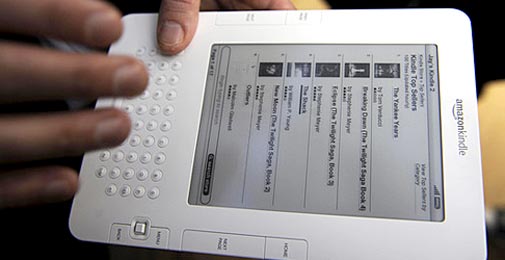
If you walk out of the cinema this week with a burning desire to read Elizabeth Gilbert's "Eat, Pray, Love," you can download it onto your Amazon Kindle electronic book reader — if you have one—for $12.99.

Then again you could just walk into your local Borders bookstore with a coupon and get the paperback for $10.

Barnes & Noble will charge you $12.99 to read the book on its e-book reader, the Nook. But it's only $9.36 (shipping may cost you extra) if you order the paperback at bn.com.

As a society, we have gadget-itis. No new machine that goes ping goes unsung. People stand in line for hours to purchase an iPhone barely distinguishable from the one already in their pockets. Amazon's newest Kindles sold out within days of going on sale. (Those who bought quickly will receive theirs this week.)

E-book readers are booming. Amazon (AMZN - News) says in the past few months sales of e-books have zoomed past sales of the paper ones. While e-books are still in an early stage—the Association of American Publishers says that so far this year they account for 8% of consumer books, compared to just 3% in 2009—the growth rate is dramatic. (This is one of the problems besetting Barnes & Noble, which has just announced a quarterly loss following a decline in sales of traditional books.)

Beyond all the hype, are e-book readers a good deal? Are they worth the money? If so, how can you get the maximum return on your investment?

Here are six money tips for pennywise book lovers.

1. Casual readers probably shouldn't bother.

The median American book-buyer purchases just seven books a year, according to an AP-Ipsos poll in 2007.

An e-book reader right now typically costs about $150 (more on this below). Even if you save a couple of bucks per book by downloading them onto your e-book reader, the payback isn't going to be much for the casual reader. If you saved $5 a book, you'd have to buy 30 just to earn back your initial investment. If you only saved $2 a book, you'd have to buy 75.

I don't want to sound negative. I happen to think e-book readers are great. But that's because I read books avidly. (I've been known to take 10 books on a beach holiday.) If you are in my camp, e-book readers let you carry a library in your pocket or bag. But if you're a casual reader, they probably don't make much economic sense yet. (On the other hand, once you buy an e-book reader you will probably buy and read more books.)

2. The books aren't as cheap as they should be.

E-books are far, far cheaper to produce, distribute and sell than paper ones. There is no paper, no printing, no trucking and no retail space.

So they should cost a lot less to buy, but the deal often isn't anywhere near as good as it should be. Amazon has tried to drive prices for best sellers down to $9.99, but the publishing industry has fought back. A lot of best sellers go for $12.99 instead. That may be cheaper than the hardbacks, but the gap should be wider.

As in the case of Elizabeth Gilbert's runaway success, you may sometimes find the traditional version cheaper. Looking for Stieg Larsson's "The Girl Who Played With Fire"? It's $7.99 on the Kindle. I bought it in Borders, with a coupon, for $5.68.

Books are cheaper in electronic format, but not all.

3. Savvy readers read the classics anyway.

Why? Because they're free. From Aesop to "Zarathustra." From "Hamlet" to "Huckleberry Finn." They won't cost you a penny. These books are outside of copyright. Just go to Gutenberg.org and download them. Thousands of them. And they're better than most of the stuff published more recently anyway.

4. Be aware of the potential costs of buying a Kindle.

Amazon sells the best-selling e-book reader. It's a great product, very easy to use—much easier, I've found, than the competition. But Amazon has given the device a cellular connection and a keyboard so you can access its online bookstore any time, any place, to buy a book. Good for them. Not so good for you. The results are predictable: You may end up making lots of impulse purchases. Don't be surprised if you spend hundreds of dollars on books in your first year. (Amazon now sells a Kindle that only has a Wi-Fi connection instead of cellular. This may save you money, as the connection will only work in a Wi-Fi hot spot. By the time you've found one, you may have decided you don't want the book.)

5. Be aware of the costs of the rivals.

The main ones are time and hassle. The many rivals to the Kindle generally use a software platform from Adobe, and it can be a pain. Even worse: Adobe provides only very basic help if things go wrong. In extremis, you may find yourself emailing India. I asked Adobe why this was. A spokesman explained that because Adobe Digital Editions was given away for free, the company only provides "a baseline level of support, which is web-based," he says. This includes "an active user forum"—in other words asking other customers how to solve your problems. Good luck with that.

If you can overcome that problem, rivals do offer benefits that may save you money. First, they let you shop around for e-books at different online bookstores, and many run promotions. Second, they will let you borrow some e-books online from your local library. Third, many of them come without any wireless connection whatsoever. That means fewer impulse purchases.

6. And if you're thinking of buying a book reader—wait!

At least, hold off for a month or two or maybe even a few weeks. Prices simply have to come down. They may do so fast.

Amazon's first Kindles went on sale three years ago for $399. Its latest versions, out this week, start at just $139. That's cheaper than rivals. They're going to have to respond.

There's an upgrade cycle going on as well. E Ink Corp., the company that makes most of the screens, has developed a newer version with somewhat sharper contrast. (Handy if you're reading fine print, but not so important for most books).

In a rational market, we should see big price cuts this fall, especially as the last of the old models go on sale. Of course, that's in a rational market. Let me know if you ever find one.

Write to Brett Arends at brett.arends@wsj.com

Wednesday, August 25, 2010

7 Best Stress-Fighting Foods

By David Zinczenko

I send out a lot of info on my Twitter feed, from nutrition news to management tips. I get the most passionate reaction—and the most retweets—when I talk about stress. In fact, a friend of mine recently told me that stress was her biggest dietary villain. “I eat when I’m stressed,” she said.

To which I reacted, “Good!” You should eat when you’re stressed—it’s our bodies’ natural reaction to want to store calories to face whatever challenge is causing the stress in the first place. The key, however, is to eat what your body wants—the foods that actually counteract the effects of stress, and make you stronger (and leaner) when the tough times pass. So next time anxiety runs high, be sure to grab one of these seven stress-fighting foods.

(And while you're at it, be sure to follow my Twitter feed for hundreds of instant nutrition and health secrets like these.)

Papaya
Wouldn’t it be awesome if there was a magic nutrient that could stop the flow of stress hormones—the very hormones that make your body superefficient at storing fat calories? Wouldn’t you want to gobble that food up like crazy, especially if it tasted great? Half a medium papaya carries nearly 75 percent more vitamin C than an orange, and provides potent protection against stress. Researchers at the University of Alabama found 200 milligrams of vitamin C—about as much as you’ll find in one large papaya—twice a day nearly stopped the flow of stress hormones in rats. It should work for you, too.

Other smart sources of vitamin C: Red bell peppers, broccoli, oranges

Bonus Tip: The closer an ingredient is to its original form, the healthier it is for you. Avoid the worst side of the nutritional spectrum by familiarizing yourself with this shocking list of The 15 Worst Food Creations of 2010.

Peppermint Tea
The mere scent of peppermint helps you focus and boosts performance, according to researchers. Another study discovered that peppermint tea makes drivers more alert and less anxious.

Other smart sources of peppermint: Peppermint candy and peppermint oil

Bonus Tip: Beware of disastrous drinks that only pretend to be healthy. Avoid 2,000-calorie shakes, 1,500-calorie smoothies, and other big offenders in this eye-popping list of The 20 Worst Drinks in America in 2010.

Pumpkin Seeds
Pumpkin seeds are loaded with stress-busting potential thanks to high levels of magnesium. Only about 30 percent of us meet our daily magnesium requirements, placing the rest of us at a higher risk for stress symptoms such as headaches, anxiety, tension, fatigue, insomnia, nervousness and high blood pressure. (Basically we’re frayed wires, and magnesium is the electrical tape that can pull us back together.) A quarter cup of pumpkin seeds gives you half your day’s magnesium requirements.

Other smart sources of magnesium: Spinach, Swiss chard, black beans, soybeans, salmon

Avocados
The healthy fats buried in the avocado’s flesh make it an ideal choice when you’re craving something rich and creamy. The reasons? Monounsaturated (healthy) fatty acids, and potassium--both of which help combat high blood pressure. Avocado fat is 66 percent monounsaturated, and gram-for-gram, the green fruit has about 35 percent more potassium than a banana. Whip up a fresh guacamole or slice a few slivers over toast and top with fresh ground pepper.

Other smart sources of potassium: Squash, papaya, spinach, bananas, lentils

Bonus Tip: Learn how to put these and other health-promoting foods to work in your daily diet to lose weight fast and look and feel better. Sign up for the free Cook This, Not That! newsletter. You’ll have quick and delicious recipes delivered right to you inbox.

Salmon
Not only does omega-3 fat protect against heart disease and cognitive decline, but according to a study from Diabetes & Metabolism, the wonder fat is also responsible for maintaining healthy levels of cortisol. And what’s the world’s best source of omega-3s? Salmon. But there’s another trick in salmon’s arsenal—a sleep-promoting amino acid called tryptophan. One salmon filet has as much tryptophan as you need in an entire day, and if there’s one remedy for stress, it’s a good night of blissful Zs.

Other smart sources of omega-3 fats: Flaxseeds, walnuts, sardines, halibut
Other smart sources of tryptophan: Chicken, tuna, beef, soybeans

Bonus Tip: The favorite trick of your friendly neighborhood restaurant? Substituting salt for flavor. Studies have linked high-salt foods to increased risk of high blood pressure, stroke, and even heart disease--and experts recommend getting no more than 2,300 milligrams of sodium in your diet each day. Keep your salt intake in check by cooking with high-quality, locally sourced ingredients—and by dodging the salty disasters in this list of the 30 Saltiest Foods in America.

Almonds
The almond's first stress-buster is the aforementioned monounsaturated fats, but at risk of belaboring that point, let’s look at another almond-centered, mind-calming nutrient: vitamin E. In one study, Belgium researchers treated pigs with a variety of nutrients just before sticking them in a transportation simulator (basically a vibrating crate). After 2 hours of simulation, only those pigs treated with tryptophan and vitamin E had non-elevated levels of stress hormones. Almonds, thankfully, are loaded with vitamin E. To reach your day’s requirement from almonds alone, you need to eat about 40 to 50 nuts. Or you can mix them with other vitamin-E rich foods to save calories and add more dietary variety.

Other smart sources of vitamin E: Sunflower seeds, olives, spinach, papaya

Oatmeal
A biochemical effect of stress is a depleted stock of serotonin, the hormone that makes you feel cool, calm, and in control. One reliable strategy for boosting serotonin back to healthy levels is to increase your intake of carbohydrates. That said, scarfing down Ding Dongs and doughnuts isn’t a sustainable solution. Rather, to induce a steady flow of serotonin, aim to eat fiber-rich, whole-grain carbohydrates. The slower rate of digestion will keep seratonin production steady and prevent the blood sugar rollar-coaster that leads to mood swings and mindless eating.

Other sources of fiber-rich carbohydrates: Quinoa, barley, whole-wheat bread, Triscuits

Monday, August 23, 2010

Plastic Surgery?

What do you think about it.

8 Things You Didn't Know About Toothpaste

By Jordan Shakeshaft, Woman's Day
Fri, Aug 20, 2010
Faced with dozens of different products promising to make your teeth fresher, whiter and cavity-free, it’s no wonder you wander aimlessly down the toothpaste aisle. To help you pick wisely, we turned to the pros for the scoop on what ingredients to look for, whether gel or paste formulas are right for you and just how much you need to squeeze onto your brush. It’s never too late to get your pearly whites in tip-top shape, so read on to find out how!

1. It’s all about the fluoride.
With a host of ingredients in toothpaste, it’s easy to lose sight of what’s essential. But no matter what your individual needs are (i.e., tartar control, whitening, breath-freshening and so on), dental hygienists agree that fluoride is a must. According to the Academy of General Dentistry, brushing with fluoride toothpaste twice daily can reduce tooth decay by as much as 40 percent. “Even in areas where there is water fluoridation, the added fluoride in toothpaste has been shown to be very beneficial,” says Caryn Loftis-Solie, RDH, president of the American Dental Hygiene Association (ADHA).

2. Look for the seal of approval.
While it’s tempting to save some cash with a generic brand of toothpaste, you may actually be getting an ineffective—and potentially harmful—product. “You should always look for the ADA Seal when choosing a toothpaste,” says Clifford Whall, PhD, director of the American Dental Association (ADA) Seal of Acceptance Program. “Only those products have the scientific data to back up their claims and have been proven to meet our criteria for safety and effectiveness.” With 50-plus approved toothpastes on shelves, it’s easy to find a tube that’s right for you and your budget.

3. Whitening toothpastes work—at least to a certain degree.
Countless products promise a whiter smile, but do they really deliver? “Whitening toothpastes—like all toothpastes—contain mild abrasives to help remove surface stains on your teeth,” says Dr. Whall. “The shape of the particles used in whitening products, though, is modified to clean those stains away better, so you’ll see a noticeable difference in how your teeth look.” However, according to Dr. Whall, these products don’t contain bleach, making it impossible for them to brighten your smile as dramatically as professional whitening treatments.

4. Less is more.
Despite what you see on commercials, a brush full of toothpaste won’t clean your pearly whites any better than half that amount, according to E. Jane Crocker, RHD, president of the Massachusetts Dental Hygienists’ Association. “All you need is a pea-size amount of toothpaste—yes, I mean the little green vegetable!” Not only will that get the job done effectively (by cleaning and removing plaque, stains and food debris), you’ll also extend the life of your tube.

5. How you brush is more important than what you brush with.
You can buy the best toothpaste and toothbrush on the market, but if you aren’t brushing correctly you won’t see results. “To do it properly, you need to position the brush at a 45 degree angle so that you get some of the bristles in between the tooth and the gums,” says Dr. Whall. “Move the brush in small circles in those areas, and then continue on to the rest of the teeth. This process should take about one to two minutes to complete.” View the ADA’s step-by-step guide to brushing and flossing here.

6. Organic toothpastes can be just as effective as regular.
If you’re willing to spend a little more to go green, natural and organic toothpastes can be a good eco-friendly alternative to commercial brands—provided they contain fluoride. “Natural and organic toothpastes that include fluoride in their ingredients are as effective as regular toothpastes with fluoride,” says Crocker. You’ll also be avoiding artificial preservatives, sweeteners and dyes.

7. What’s inside your toothpaste might surprise you.
You may not recognize the names listed on the side of the tube, but ingredients like seaweed and detergent can be found in many fluoride toothpastes. According to the ADA, common thickening agents include seaweed colloids, mineral colloids and natural gums. And for that quintessential foaming action, most products rely on detergents such as sodium lauryl sulfate—also found in many shampoos and body washes—that are deemed 100 percent safe and effective by the ADA.

8. Pastes or gels—they all do the trick.
You may have heard that one works better than the other but, according to the experts, they all clean teeth equally well. “Other than flavor, texture and how it makes a person feel, there aren’t any major differences among the various forms,” says Crocker. “I think it comes down to personal preference, which might come through trial and error. I encourage my patients to use whichever product encourages them to brush.”

Motorist's Dream: Gas at 6 Cents a Gallon

by Stacy Johnson
Friday, August 20, 2010
Provided by MoneyTalksNews
___________________________________________________________________________
Gassing up isn't cheap: According to AAA, we're now paying a nationwide average of $2.73 for a gallon of regular. That's about 25 cents a gallon more than last year. But it's certainly better than the year before, when prices shot up to over $4/gallon.

But if the cost of gas bothers you, be happy you don't live in Asmara, Eritrea. This African nation boasts the highest gas prices in the world — nearly $10/gallon. On the other hand, you could be living in Venezuela, where prices are as low as 6 cents.

Here's a list of the places with the highest and lowest gas prices in the world, courtesy of the Oil Price Information Service (OPIS).

The World's Highest Gas Prices:

1. Asmara, Eritrea — $9.59/gallon
2. Oslo, Norway — $7.41/gallon
3. Copenhagen, Denmark — $6.89/gallon
4. Hong Kong — $6.87/gallon
5. Monaco, Monte Carlo — $6.82/gallon

The World's Lowest Gas Prices:

1. Caracas, Venezuela — 6 cents/gallon
2. Tehran, Iran — 32 cents/gallon
3. Riyadh, Saudi Arabia — 45 cents/gallon
4. Kuwait, City, Kuwait — 85 cents/gallon
5. Cairo, Egypt — $1.17/gallon

So here we have a homogeneous product — pretty much the same in Caracas as it is in Asmara — ranging in price from 6 cents to nearly $10 a gallon. Why the big range? Looking at the list will offer the first hint: Most of the countries on the low-price list have lots of oil.

But another reason gas prices vary so widely is what the government does with gasoline. They control the price and/or consumption by loading on taxes, or in the case of Venezuela, subsidizing the price.

While the wild world of fossil fuel pricing is interesting, what gas costs in Asmara, Tehran and Oslo is ultimately only of interest to those who gas up there. What we're interested in is paying less for gas in our own neighborhoods. How do we find the cheapest gas?

Use Your Smart Phone

If you have a smart phone, go to where you can download apps (such as the Apple App Store or the Android Market) and do a search for "gas prices." You'll discover several free apps that will help you find prices at nearby stations. Note, however, that most of these apps are self-reporting — they depend on other app users to send in prices. That leads to two potential problems: First, gas prices may be out of date or inaccurate. Second, there's nothing that prevents the station owner from gaming the system by putting in a false low price to attract customers.

There are apps that don't depend on user-supported prices. AAA's TripTik iPhone App, for example, uses prices reported by the Oil Price Information Service and are derived from credit card transactions at more than 100,000 stations around the country, updated daily. The problem with this reporting method? Price can change more often than daily, and while 100,000 is a lot of stations to survey, it's not all of them.
Use your computer

There are several websites that will help you find the cheapest gas in your area. A few examples, all of which allow you to search by zip code:

• Gasbuddy
• MSN gas prices
• Gas Price Watch
• Mapquest Gas Prices
• FuelMeUp

Like the smart-phone apps, most of these sites feature user-reported prices or Oil Price Information Service-reported prices, so the same caveats apply.

In doing research for this story, I talked to Fred Rozell, director of retail pricing for the Oil Price Information Service. He says that if the economy remains sluggish and provided there are no supply disruptions, we could see pump prices drop by as much as 50 cents a gallon after hurricane season.

Sunday, August 22, 2010

25 Hot Careers That Didn't Exist 10 Years Ago

By JoVon Sotak,

What did you want to be when you grew up? Astronaut? Movie star? Superhero? Whatever made your list, green marketer probably wasn't on it--but that job may be on the lists of today's youngsters.

Here's a list of emerging careers that you (and your inner child) can get excited about. You couldn't have daydreamed about any of these jobs when you were a child--because they didn't exist then. In fact, they're so new that, although they're starting to be recognized, the U.S. Bureau of Labor Statistics doesn't yet have data on them. If you've been looking for a new dream job or haven't decided what you want to be when you "grow up," these are 25 new options.

Business
A specialized business degree can help you obtain the skills you need to work in one of these professions.

1. Business continuity specialists plan and implement recovery solutions to keep businesses functioning during disasters and emergency situations.

2. Electronic commerce specialists analyze online buyers' preferences and handle online sales strategies, including marketing, advertising, and website design.

3. Social media managers/strategists use social technologies like Facebook to reach out to customers, and they build social networks within companies.

4. Virtual concierges provide professional concierge services--for business or personal needs--with the convenience of being just an email away.

5. User experience analysts collect data on website usage and provide insight about users' experiences by using psychological, computer-science, and industrial-design knowledge to test theories and draw conclusions.

Source: Yahoo news

Friday, August 20, 2010

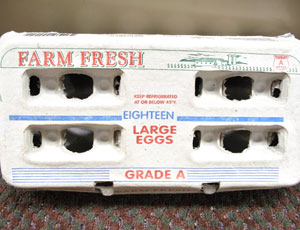
Massive egg recall: How to check your carton for recalled eggs

A massive egg recall by Write County Egg has sickened hundreds of people, and affected 13 retail brands that the egg factory packages. The culprit: Salmonella on egg shells.
                                                              (Photo: FDA)
The egg brands affected by the recall include: Lucerne, Albertson, Mountain Dairy, Ralph’s, Boomsma’s, Sunshine, Hillandale, Trafficanda, Farm Fresh, Shoreland, Lund, Dutch Farms, and Kemps.

Eggs are packed in 6- 12- or 18-egg cartons with Julian dates ranging from 136 to 225 and plant numbers 1026, 1413, and 1946
                                                                                                       

Dates and codes can be found stamped on the end of the egg carton. The plant number begins with the letter P and then the number. The Julian date follows the plant number, for example: P-1946 223.

Consumers should not eat the eggs and should return recalled eggs to the store where they were purchased for a full refund.

Bacterial contamination on modern industrial-scale chicken farms (factories, really) is a growing problem. Cramped conditions are breeding grounds for disease. Widespread use of antibiotics is creating drug-resistant strains of bacteria.

One antidote to the problem is to choose locally sourced eggs from farms that allow their chickens to run free. Though be aware that the label "free range" doesn't mean what you might think.

Salmonella poisoning symptoms

Within 6-to-72 hours of eating an egg, you may experience lower abdominal cramps, diarrhea (sometimes bloody), vomiting, fever, chills, malaise, nausea or headache. Symptoms may persist for as long as a week. While most people recover without treatment, some patients require hospitalization.

Among the 21,244 cases of foodborne illness reported from tainted food-related outbreaks in the United States in 2007 (the last year for which data is available from the Centers for Disease Control and Prevention), salmonella was the No. 2 cause of illness, causing 27% of foodborne illness outbreaks, including 55% of multi-state outbreaks, and 81 illnesses attributed to salmonella in eggs; five deaths resulted from salmonella-contaminated food. The two biggest foodborne illness outbreaks that year were caused by salmonella, in hummus and frozen pot pies.

Thursday, August 19, 2010

15 Things You Shouldn't Be Paying For

By Phil Taylor
Thursday, August 19, 2010

So much money and energy is wasted on things we could get for free. If you're into new, shiny things and collecting stuff, this is not for you. But if you want less clutter in your life and want to keep more of your money, then check out these 15 things you shouldn't be paying for.

Basic Computer Software -- Thinking of purchasing a new computer? Think twice before you fork over the funds for a bunch of extra software. There are some great alternatives to the name brand software programs. The most notable is OpenOffice, the open-source alternative to those other guys. It's completely free and files can be exported in compatible formats.

Your Credit Report -- You don't have to pay for your credit report. You could sign up for one of the free credit monitoring services online to get a quick look at your credit report. You just have to remember to cancel the service before the end of the free trial. Or you could do one better and visit www.annualcreditreport.com, the only truly free place to see all three of your credit reports for free once a year.

Cell Phone -- The service plan may be expensive, but the phone itself doesn't have to cost a thing. Most major carriers will give you a free phone, even a free smart phone, with a two-year contract.

Books -- There's a cool place in your town that's renting out books for free: the library. Remember that place? Stop by and put your favorite book on reserve. And if you don't feel like getting out, visit www.paperbackswap.com and find your books there (small shipping fees apply).

Water -- Besides the monthly utility bill, there's no reason to shell out $1 for every bottle of water you drink. Bottled water is so last decade anyway. We're over it, and into tap, filters, and reusable water bottles. It's cheaper for you and better for the environment.

Credit Card -- With as many credit cards as there are available on the market today, it's easy to avoid a credit card with an annual fee. Unless you're dead set on a particular perk that a fee card brings, skip the annual fee card and pocket that money yourself.

Debt Reduction Help -- Speaking of credit cards, if you're in over your head with credit card help, there are many free sources you can turn to for help with your debt. No one is going to be able to magically wipe away your debts, but there is help out there that will set you up on a debt reduction plan you can handle. Start with a visit to the National Foundation for Credit Counseling.

Basic Tax Preparation -- If your tax situation isn't that complicated, then you should probably be preparing your own tax return using one of the many free online services. It's now common for e-filing to be free as well with many services. You won't even need a stamp.

The News -- Leave it to a blogger to try and kill off traditional print. I'm not anti-newspaper. I just don't find them practical anymore. Skip the daily .50 cents and get your news online. And for you dedicated coupon clippers, you can get most of your Sunday coupons online now too.

Budgeting Tools -- There are many budgeting tools (both online and desktop) that offer up the service for free. Don't ask me how they do this, but who cares. If you're looking to reign in some of your spending, the good news is you can do it for free.

Pets -- This is a controversial one, I know. But there are likely many pets down at your local animal shelter that could use just as much love as the pure-bred types. There may be a small fee due to the shelter for shots and basic care, but you'll have your pet home without paying a mini-fortune.

Shipping -- If you like to buy online, you probably use coupons to get a percentage off of your purchase. Take your skills to the next level and look for coupons or promotion codes that offer free shipping. If in doubt, visit a site like www.freeshipping.org.

Checking Account -- Isn't it nice when a bank takes your money, lends it out to earn money, and then has the audacity to charge you for the service? What a joke. Checking should be free. If yours isn't free then move to one of the many banks that offers a checking account for free. And the same can be said for ATM fees, teller fees, and checks.

DVD Rentals -- Did you know that you can rent DVDs from RedBox locations for $1 a night? And better yet, if you use one of the coupon codes from www.insideredbox.com you can avoid the $1 charge. Free DVD rentals! Most libraries now have free DVD rental as well.

Exercise -- Skip the expensive gym memberships. Visit your local park for a walk or run. Do basic push-up and sit-up programs in your living room. Rent a workout DVD from the library. There are many free workout programs you can download online as well.

Can you think of any other things you should be getting for free? Leave your suggestions in the comments below.

Monday, August 16, 2010

Don't opt in! Ignore your bank's plea to stay in its overdraft program

Under new Federal Reserve rules that become effective this Sunday, August 15, debit card purchases or ATM transactions that would exceed a current customer’s balance will not be processed unless he or she has agreed in advance to overdraft protection. If you’re currently enrolled in one of these programs you’ll automatically be opted-out; if you wish to continue you must re-enroll and provide your signature.

Previously, banks automatically signed up consumers for the service and then charged them hefty fees whenever it covered an overdraft. Those fees add up to billions in profits, so as the date looms you’re likely to see a lot of hype from your bank promising you peace of mind by enrolling in its program. Before you do, remember that there are often much cheaper ways to cover transactions that exceed your balance.

Unfortunately, the new rules don’t prevent banks from imposing overdraft fees to cover checks or debits for reoccurring bill payments. They also don’t prohibit banks from processing transactions in a way that maximizes fees charged to customers that do opt-in. That was the focus of a California case involving Wells Fargo. A federal judge ordered it to pay California customers $203 million in restitution on Tuesday to settle claims that it had manipulated transactions to maximize overdraft fees. Instead of processing transactions in the order in which they were received, Wells Fargo put through the largest first, resulting in multiple charges instead of just one. The 90-page opinion called the practice unfair and deceptive, and ordered the bank to stop the practice by this November 30. Wells Fargo said it will appeal.

Now Consumers Union is working to ensure that such practices are banned and these overdraft programs are affordable for those who do Opt-In. Legislation in Congress will go farther to protect consumers then the Federal Reserve's Rule, in the following ways:

• Prohibit banks from manipulating the clearing of transactions to maximize fees.

• Limit the number of overdraft fees financial institutions can charge to six per year.

• Require fees to be reasonable and proportional to the cost to the financial institution.

• Clarify that banks must clearly disclose the cost of overdraft fees as required under the Truth in Lending Act.

—Mandy Walker

5 ways to avoid cell-phone 'bill shock'

Today's multitalented cell phones can easily seduce you into texting, talking, or downloading more than you planned. The result can be hundreds of dollars in unexpected penalty fees.

Some 30 million Americans have experienced cellular bill shock, a surprise spike not related to a change in the service plan. The projection is based on a Federal Communications Commission survey of 3,005 adults conducted last spring. More than a third of that group got burned for at least $50 a month. We think the usual overage charges might be higher still. Based on consumer billing data we've seen from Validas, a company that provides wireless bill analysis and optimization services, we estimate the median overage charge to be about $85.

Overage fines often come from using more voice minutes than the monthly plan allows, at a cost of 25 to 45 cents per minute—at least four times the regular per-minute plan rate. But big texting charges are also a potential problem. Among ConsumerReports.org subscribers surveyed by the Consumer Reports National Research Center last year, about 12 percent of texters who didn't have an unlimited texting plan were surprised by higher-than-expected messaging charges.

An emerging threat is exceeding limits for downloading data to your smart phone when you access the Internet, send e-mail with or without attachments, post photos to Facebook, or engage in other high-bandwidth activities. The industry usually charges one monthly fee for unlimited data. However, in June AT&T began selling monthly data service for its popular iPhone and other smart phones in rations of 200MB for $15 and 2GB for $25.

AT&T's new pricing might save most customers money at current rates. And at least one other carrier, Verizon, says it might eventually follow suit. That makes it all the more important now to track your data usage, especially since new apps constantly encourage higher consumption.

How to protect yourself
Ask for a break
Request an exception or discount. Carriers say they work to resolve overage problems on a case-by-case basis. One Consumer Reports staffer knocked $175, or 68 percent, off his $255 overage bill and saved an additional $23 in taxes, fees, and surcharges.

Monitor your usage
Depending on the phone and carrier, you can keep track by checking settings, tapping the usage-information codes on your cell phone, or registering with your carrier for online access to your cell-phone account. Try to check your balance at the middle of and three-quarters through each billing cycle, especially in months with unusual use.

Sign up for an overage alert
A few carriers offer them (see Overage charges). For smart phones you can get the free Cell Minute Tracker app from Pageonce, a California software company. It alerts you when you're nearing the limits of your voice, message, and data allotments and lets you know when you go over them.

Adjust your plan as needed
If you're bumping up against your limit for voice calls, switch to a higher-minute plan. To find a contract plan that better fits your needs, analyze your current use and the available deals. The website BillShrink searches scores of plans from the four largest carriers free, and Validas searches six service providers for $5; neither searches prepaid carriers.

Monitor and adjust your messaging and data services, too, if they're metered. Users of iPhones tend to consume more data per month than BlackBerry and other smart-phone users. If you're with AT&T, the 200MB-per-month package should meet your needs, but heed the alerts. You can add a second 200MB bundle if necessary, or move up to the 2GB plan.

Ask customer service to assure you that a plan change won't create a new overage charge. That can happen if the old and new plans' minutes are prorated when a switch is made.

Consider prepaid
Available from the major carriers and from prepaid specialists such as Virgin Mobile, prepaid, pay-as-you-go plans have no overage charges. Instead, you buy more minutes at the regular rate when your account balance runs low or runs out. Or consider a monthly plan with unlimited minutes from a prepaid carrier, which can cost less than such plans from contract carriers.